

Making the world a healthier place
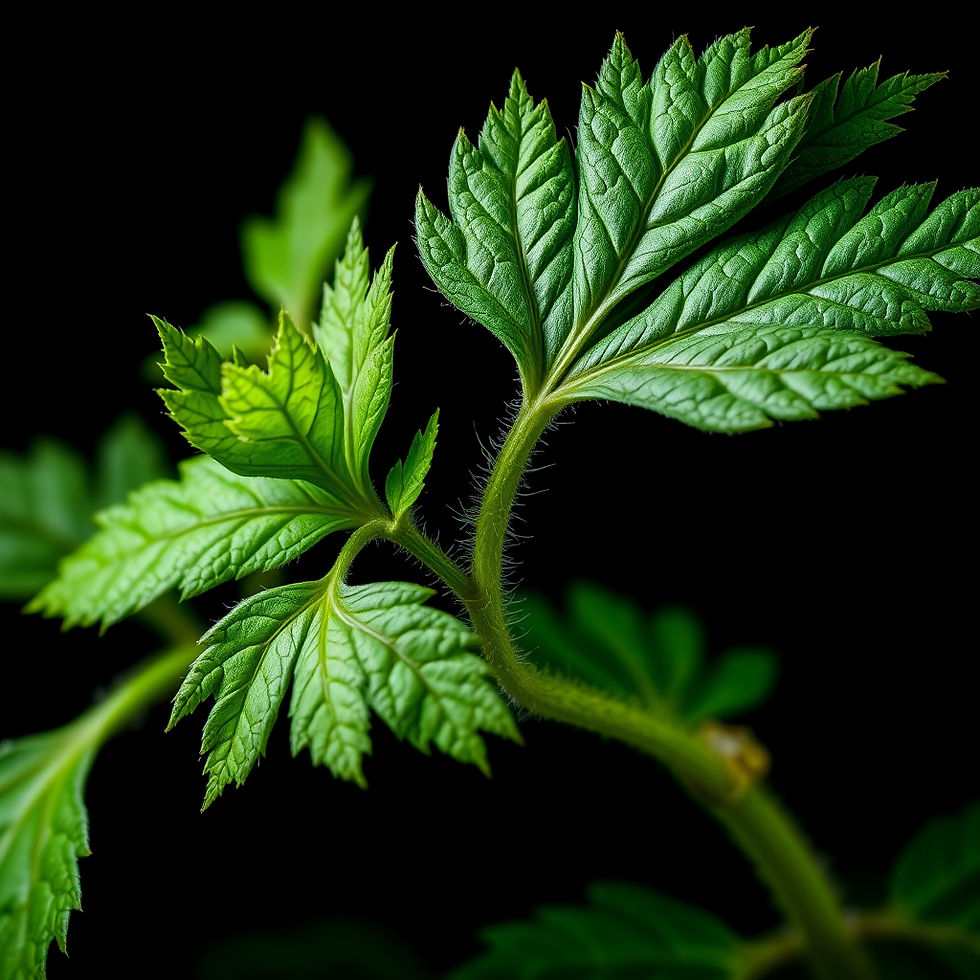
Stinging Nettle
Stinging nettle (Urtica dioica) is a stately and nutritious plant with pointed leaves and white to yellowish flowers. The root and above-ground parts are used for diabetes. The stinging nettle plant is typically 2-4 meters tall. It contains ingredients that might decrease swelling and increase urination
What Is Stinging Nettle?
Stinging nettle (Urtica dioica) is a wild plant commonly found in waste areas, beside hedges, and in gardens, growing to about 3 feet tall. Its stems and leaves are covered in tiny hairs that can sting on contact, causing a skin reaction that, while uncomfortable, is harmless.
What Are the Benefits of Stinging Nettle?
Stinging nettle is rich in vitamins A, C, and K, along with several B vitamins. It also contains a strong mineral profile, including calcium, iron, magnesium, phosphorus, potassium, and sodium. In terms of amino acids, stinging nettle provides all of the essential amino acids, along with a beneficial fat content that includes linoleic acid, linolenic acid, palmitic acid, stearic acid, and oleic acid.
How Do You Use Stinging Nettle?
Stinging nettle can be prepared as a tea, added to salads as an extra leafy green, steamed like spinach, or blended into a smoothie if using the powdered form.
Disclaimer
Healing is completely dependent upon your faith in the Creator of these herbs. There is no healing power in these plants; the power is in the One who created them.